Zenker’s Diverticulum
What is a Zenker’s Diverticulum?
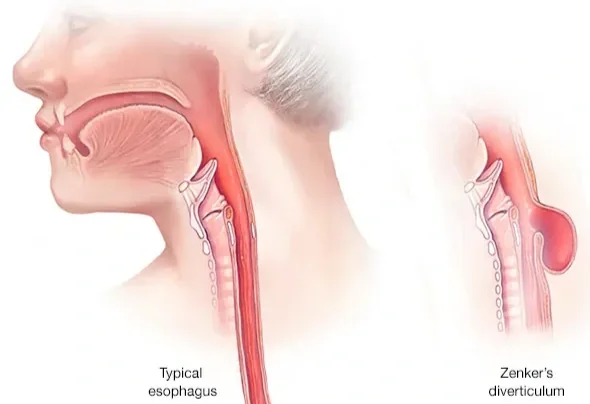
Zenker's diverticulum is a bulge or pouch forms at the top of the esophagus, the muscular tube that connects the throat to the stomach. The upper esophageal sphincter call the cricopharyngeus muscle becomes too tight and causes the lining of the esophagus to bulge out about this muscle creating the pouch or diverticulum.
Over time, the bulge of Zenker's diverticulum can get bigger. Food, pills and even thick mucus can get stuck in the pouch instead of going through the esophagus. This can lead to problems with eating and other complications.
The cause of Zenker's diverticulum is not known. Treatment for symptoms of Zenker's diverticulum often is surgery.
What are the Symptoms of Zenker’s Diverticulum?
A small Zenker's diverticulum may not have any symptoms. But the bulge may get bigger over time. It can trap food, mucus and pills. Symptoms might include:
Trouble swallowing, called dysphagia.
Burping.
A gurgling noise at the back of the throat.
Coughing.
Hoarseness.
Bad breath.
Choking.
If the pouch gets big enough, what's in it may spill into the throat. Then Zenker's diverticulum symptoms might include:
Feeling of food stuck in the throat.
Coughing up or spitting up food 1 to 2 hours after eating. This is called regurgitation.
Breathing food into the lungs, called aspirating.
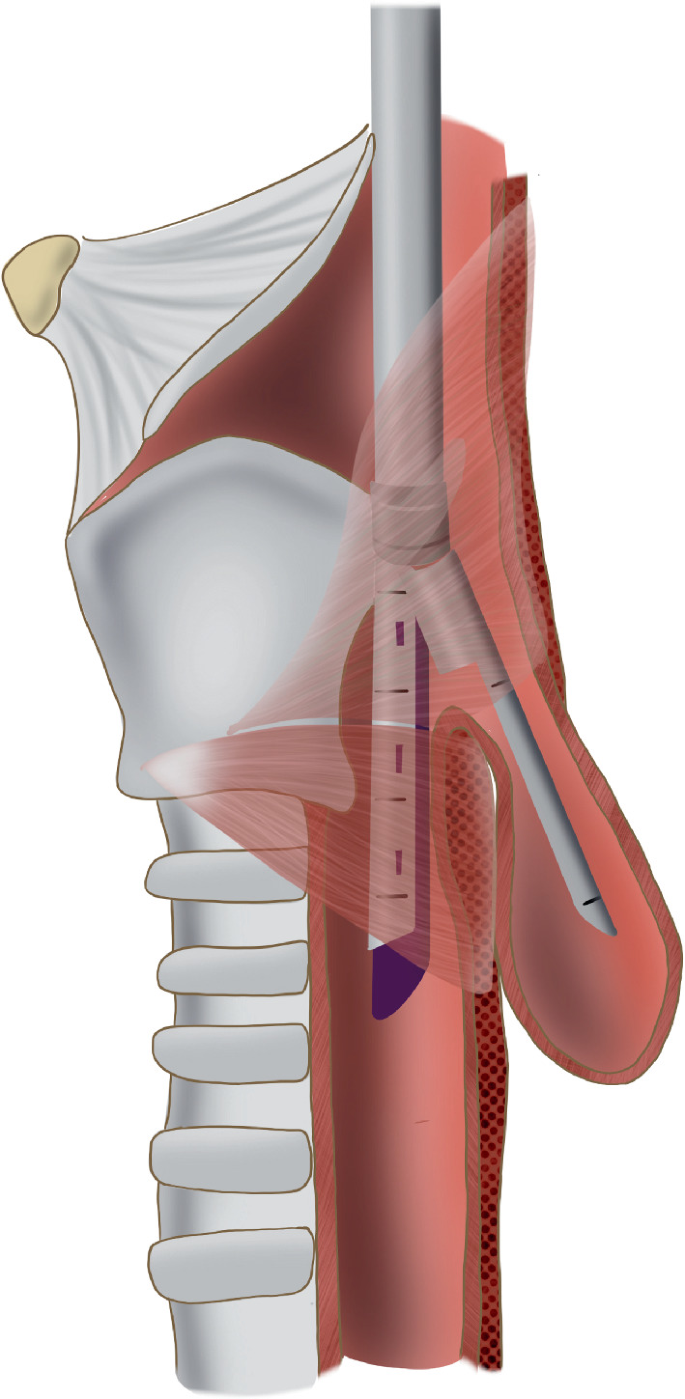
Adjunct: Cricopharyngeal myotomy
Myotomy of the cricopharyngeus (upper esophageal sphincter) is commonly performed with any definitive procedure to treat the underlying dysfunction that causes the diverticulum.
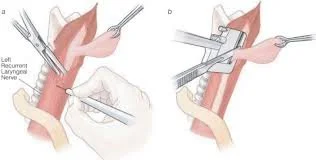
Open (transcervical) surgery
Diverticulectomy (excision of the pouch) with cricopharyngeal myotomy: Often chosen for large, very inflamed, or very thin-walled diverticula, or when malignancy is suspected. More invasive, longer recovery, but appropriate in select cases.
Diverticulopexy with cricopharyngeal myotomy: Pouch is inverted and tacked up rather than removed; used in some patients who are poor candidates for resection.
Endoscopic stapling
Endoscopic stapling: The common approach cuts the shared wall (cricopharyngeal muscle and diverticular septum) between esophagus and pouch to allow food to pass into the esophagus and eliminate the pouch’s functional outflow obstruction.
What is the treatment for Zenker’s diverticulum?
The treatment of Zenker’s diverticulum depends on size, symptoms, patient fitness, and surgeon preference and skill. Main options:
Nonoperative
Observation: Small, asymptomatic diverticula can be observed with periodic follow-up. There are no effective nonoperative treatments for symptomatic Zenkers diverticulum.
Peroral endoscopic myotomy (zPOEM)
zPOEM is the most advanced endoscopic way to achieve a complete myotomy.