Gastroesophageal Reflux Disease
GERD
What is GERD?
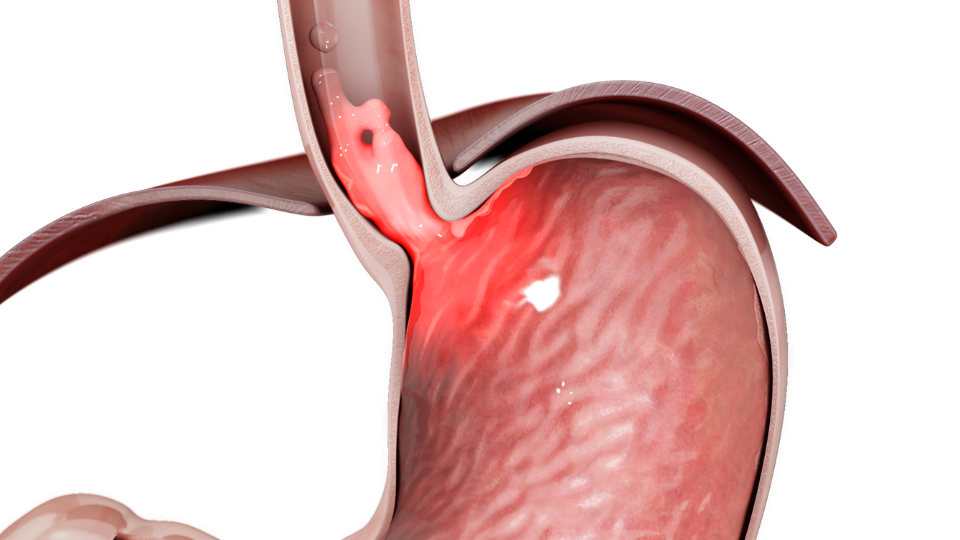
Gastroesophageal reflux disease happens when stomach acid flows back up into the esophagus and causes heartburn. It's often called GERD for short. This backwash is known as acid reflux, and it can irritate the lining of the esophagus.
Unlike occasional acid reflux, which many people experience without major issues, GERD is characterized by frequent and severe acid reflux, often leading to more serious health problems if left untreated.
The Reflux Barrier
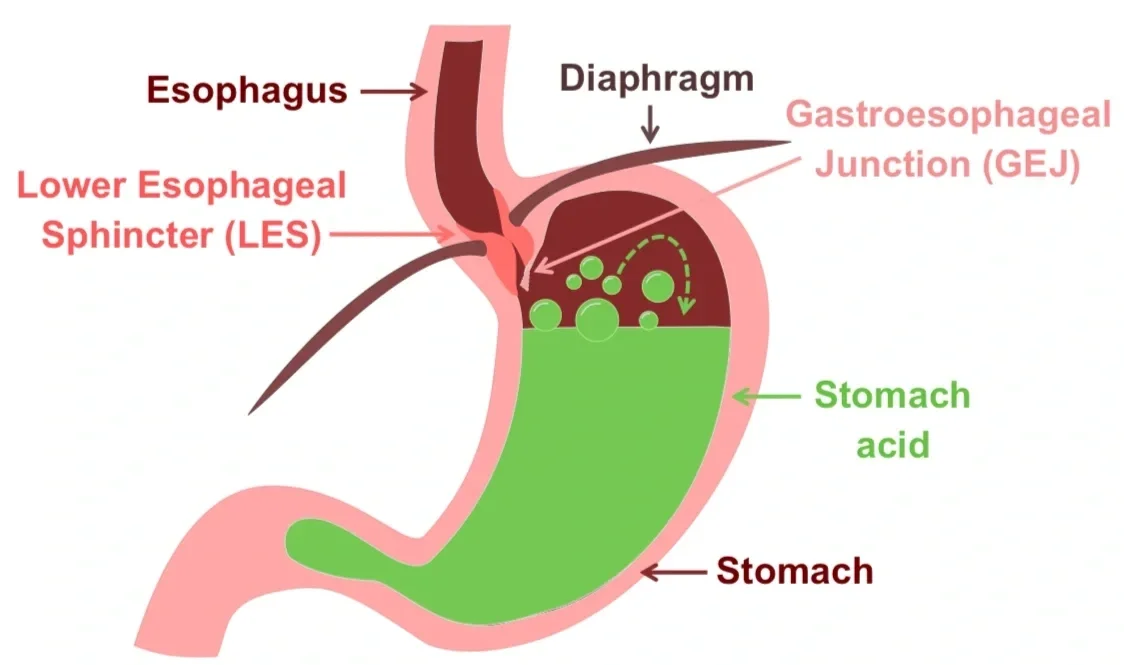
Acid reflux is prevented by the ring of muscle that creates a valve in the lower esophagus called the lower esophageal sphincter (LES) working in combination with the muscular diaphragm that wraps around the LES. If the LES is weak acid can flow back into the esophagus, causing GERD. In addition, if the diaphragm stretches and separates from the LES, creating a hole or opening around the esophagus, called a hiatal hernia, stomach acid will push up into the esophagus causing heartburn and injury.
Symptoms of GERD
Typical GERD symptoms include:
Heartburn: A burning discomfort or pain that may move from your stomach to your abdomen or chest, or even up into your throat.
Regurgitation: A sour or bitter-tasting acid backing up into your throat or mouth.
Less common symptoms can include, chest pain, difficulty swallowing, chronic cough, a sensation of a lump in the throat, and new or worsening asthma.
The Impact of GERD on the Esophagus
Chronic exposure to stomach acid can lead to several complications within the esophagus, including:
Esophagitis: Inflammation that can damage tissues of the esophagus.
Esophageal Strictures: The narrowing of the esophagus, which can interfere with swallowing.
Barrett's Esophagus: A serious condition where the tissue lining the esophagus changes, becoming more like the tissue that lines the intestine. This can increase the risk of developing esophageal cancer.
It is important to understand the risk and severity of these complications and the importance of managing GERD symptoms through lifestyle changes, medication, or surgery in order to prevent the progression of these problems
Diagnosing GERD
To diagnose GERD, you need to have a detailed history and physical exam and when symptoms suggest GERD, further tests may be recommended to confirm the diagnosis and assess the severity of the condition.
Common Diagnostic Tests
Upper Endoscopy: A procedure where a thin, flexible tube with a light and camera (endoscope) is used to examine the inside of your esophagus and stomach. This can help identify any esophageal damage or other related conditions.
Bravo, Esophageal pH Monitoring: A test that involves endoscopically clipping a small, temporary chip that measures the amount of acid in your lower esophagus over a 24-48 hour period.
Esophagram: A radiology test where you are given barium liquid to drink and x-ray video images are taken in different positions to evaluate the esophagus and stomach and check for reflux.
Esophageal Manometry: Measures the rhythmic muscle contractions in your esophagus when you swallow and the coordination and force exerted by the esophagus muscles.
These diagnostic tests play a critical role in determining the presence and extent of GERD, and the preoperative measurements needed to guide the surgical repair of your hiatal hernia and LES.
Treatment Options for GERD
Managing GERD effectively requires a comprehensive approach that may include lifestyle modifications, medications, or in some cases, surgery. The goal of treatment is to relieve symptoms, prevent injury from acid exposure to the esophagus, and manage complications from previous reflux injury.
Lifestyle Modifications
Simple changes in daily habits can significantly alleviate GERD symptoms:
Avoid foods and drinks that trigger reflux, such as fatty foods, coffee, and alcohol.
Eat smaller, more frequent meals.
Avoid eating within 3 hours of going to bed.
Maintain a healthy weight to reduce pressure on the stomach and LES.
Elevate the head of your bed.
Quit smoking, as it can weaken the LES.
Medications to Treat GERD
Various over-the-counter and prescription medications can reduce or block acid production and help heal the esophagus:
Antacids: Provide quick relief by neutralizing stomach acid.
H2 Receptor Blockers: Reduce acid production. While not as fast-acting as antacids, their effects last longer.
Proton Pump Inhibitors (PPIs): Effective medications for reducing stomach acid, helping to heal the esophagus. They should be taken 30 minutes prior to eating. Example: Omeprazole, Pantoprazole.
Potassium Competitive Channel Blocker (PCAB): The most power medication for reducing stomach acid and healing erosive esophagitis. Example: Voquezna
Surgical Procedures for the Treatment of GERD
For those who don't respond to medication or have severe GERD, anti-reflux surgery might be an option:
Hiatal Hernia Repair with Fundoplication: A surgical procedure that repairs a defect in the diaphragm and recreates an anti-reflux barrier by wrapping the top of the stomach around the lower esophagus.
LINX Device: A ring of tiny magnetic beads is wrapped around the junction of the stomach and esophagus to strengthen the LES, preventing reflux.
TIF Procedure: A minimally invasive GERD treatment, performed without abdominal incisions.